

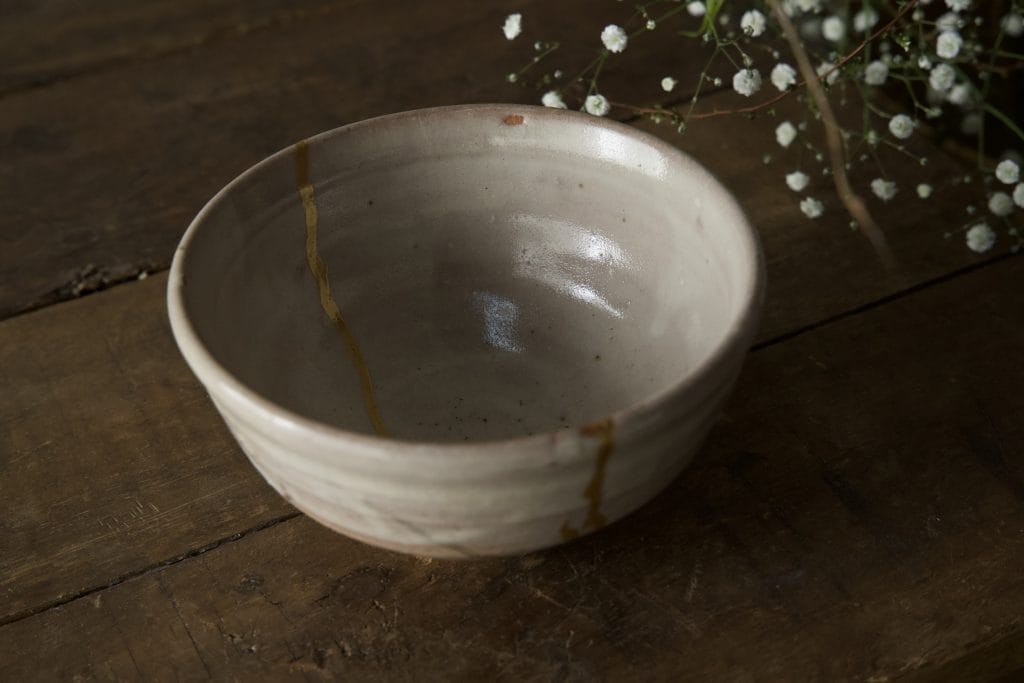
Kintsugi (金継ぎ), or “golden joinery,” is a traditional Japanese restoration technique dating back to the Muromachi period. While it is celebrated globally today for its striking aesthetic of gold-seamed ceramic, its origins were born out of a desire to preserve history rather than hide damage.
In our workshops in Kyoto and Osaka, participants are guided through this process step by step by local artisans.
The Evolution of the Craft
In the tea rooms of 15th-century Japan, ceramics were highly valued and often irreplaceable. Legend says the craft began when a prominent shogun sent a broken tea bowl back to China for repairs, only for it to return held together by unsightly metal staples. Japanese craftsmen looked for a more elegant solution.
Instead of hiding the cracks, they used urushi lacquer mixed with powdered gold to highlight them. This transformed simple repair work into a decorative art form rooted in Wabi-sabi – finding beauty in the natural cycle of wear and tear.
Beyond the Crack
Today, Kintsugi has moved from a functional necessity to the forefront of sustainable design. In an era of disposable goods, the philosophy of Mottainai (waste nothing) has seen a resurgence. You can see Kintsugi influence in:
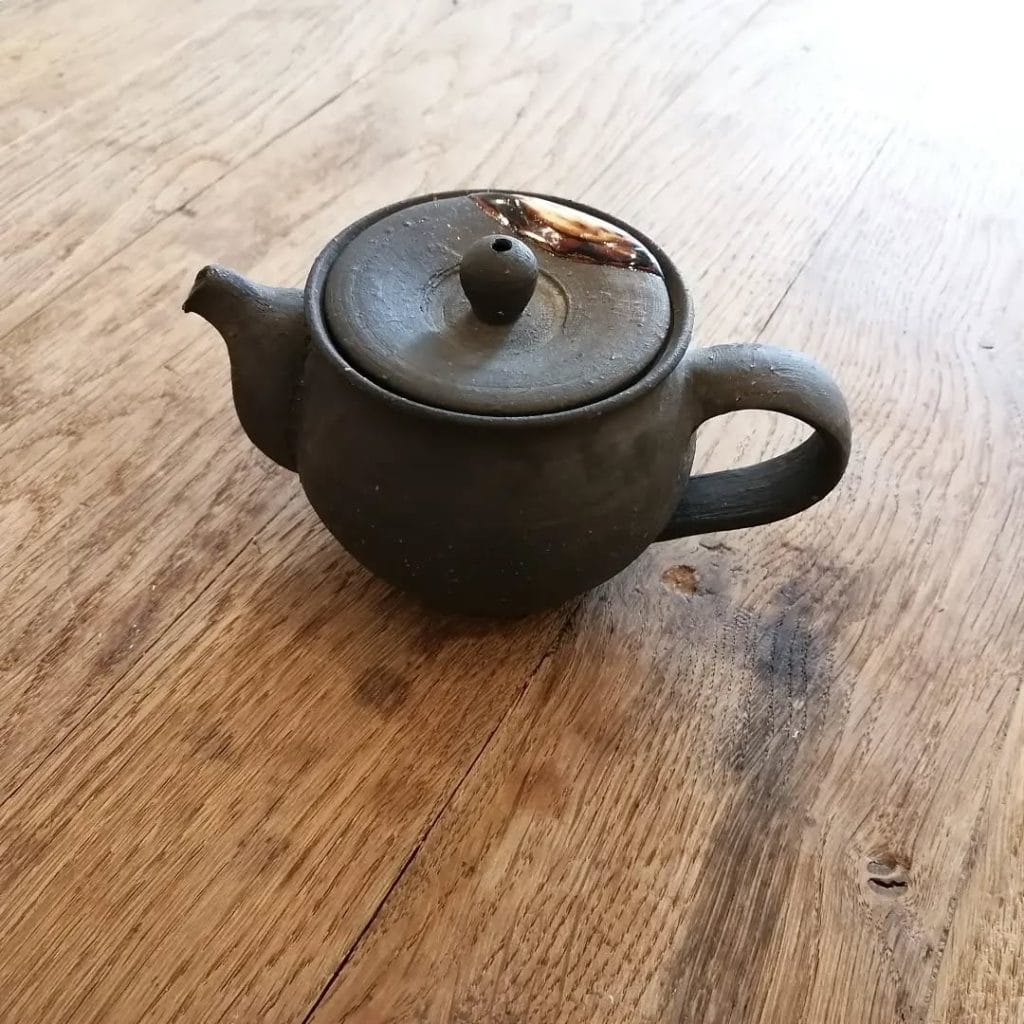
- Visible Repair: Turning a crack in a ceramic plate into a design feature rather than a flaw.
- Conceptual Design: Major designers now utilize gold-line patterns in digital art and furniture to symbolize strength and recovery.
- Interior Design: The organic, jagged precision of gold lines is frequently used in modern wall art to create a sophisticated, minimalist aesthetic.
簡易金継ぎワークショップありますよ~Repost-@kramloppis-——kramloppis-·-『簡易金継ぎ教室』-田中智子さんの1日完結の簡易金継ぎ教室です。-@tanakawaon-1024x1024.jpg)



A craft for everyone
One of the most rewarding aspects of Kintsugi is that it is remarkably beginner friendly. You do not need a background in fine arts or years of pottery experience to achieve a professional-looking result.
- Accessible Mastery: Even a first-time student can produce a stunning piece. The process of following the natural breaks in the ceramic provides a built-in roadmap for the gold, removing the pressure of “perfect” freehand drawing.
- Creating a Keepsake: Because you are working with items that might otherwise be thrown away, every piece carries a personal story. The result is a unique, one-of-a-kind object that serves as a permanent reminder of the time and care you put into it.
- Low Barrier to Entry: Modern kits allow beginners to practice the fundamental steps—cleaning, joining, and dusting – without needing specialized industrial equipment.
- The process: Seeing the process in person gives a clearer understanding of the time and care involved in each repair.
Join Us in the Studio
Join Us in the Studio
At our studio, we are dedicated to sharing the authentic techniques of this heritage craft. Our workshops provide a tactile connection to Japan’s history, using traditional lacquer and genuine metal powders.
Our instructors will guide you step by step through the method and the mindset behind the gold. Whether you are looking to fix a favorite mug or create a new piece of art, we invite you to sit with us and learn the art of golden joinery in our dedicated spaces.
- Osaka Workshop: Join us for a hands-on session in the heart of the city. Book your Osaka spot here
- Kyoto Workshop: Experience the craft in the cultural capital of Japan. Book your Kyoto spot here
Leave a Reply